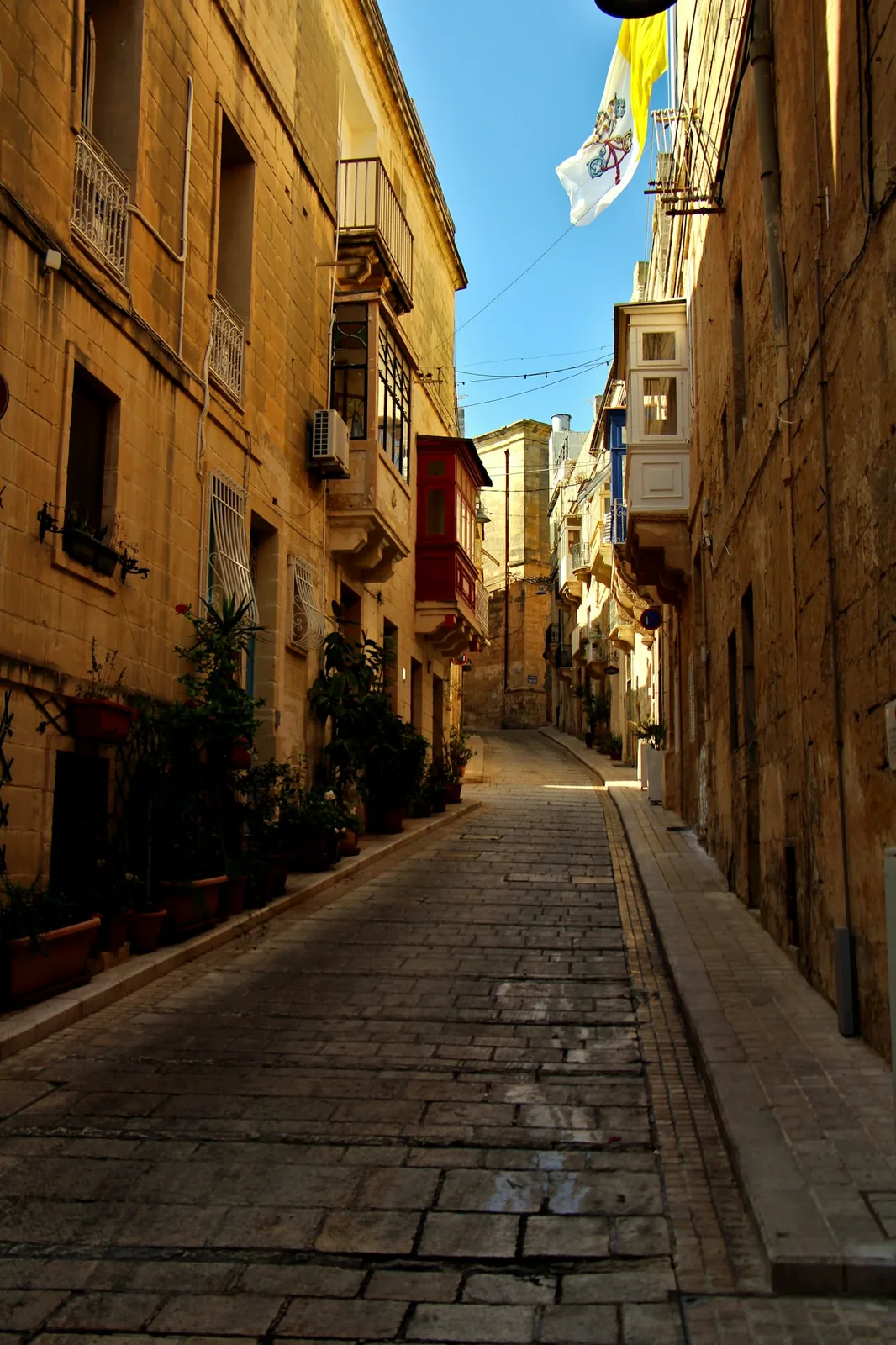
A brief history
Maltese is often described as descending from a variety of Arabic that took root in Malta in the Middle Ages. Over time it developed on its own island path: spoken in daily life, written with Latin letters, and later standardized as a modern national language. Today it sits beside English as an official language of Malta and the European Union.
Where the words come from
The core of Maltese is Semitic — related historically to Arabic — while a large share of everyday vocabulary reflects Romance contact, especially Sicilian and Italian. English has also left a clear mark in modern life. Learners often notice Arabic-like grammar patterns alongside familiar Italian-looking nouns; that mix is part of what makes Maltese distinctive, not a flaw in the language.
Sounds and listening
For many self-learners, phonetics is the hard part. Maltese has consonants and vowel patterns that do not map cleanly onto English spelling instincts. Words can shorten in speech, stress can shift, and letters that look “familiar” on the page may sound different in a natural sentence. That is one reason reading can advance faster than understanding by ear.
PracticeMaltese focuses on spoken practice for that reason: hear a sentence first, train the ear, then check the text and English when you are ready. Listening is not a side activity for Maltese — for many learners it is the skill that needs the most deliberate work.